
Lunes, Marso 13, 2017
LESSON 2: EDUCATIONAL TECHNOLOGY 2

LESSON 1: A REVIEW OF EDUCATIONAL TECHNOLOGY 1

Biyernes, Disyembre 2, 2016
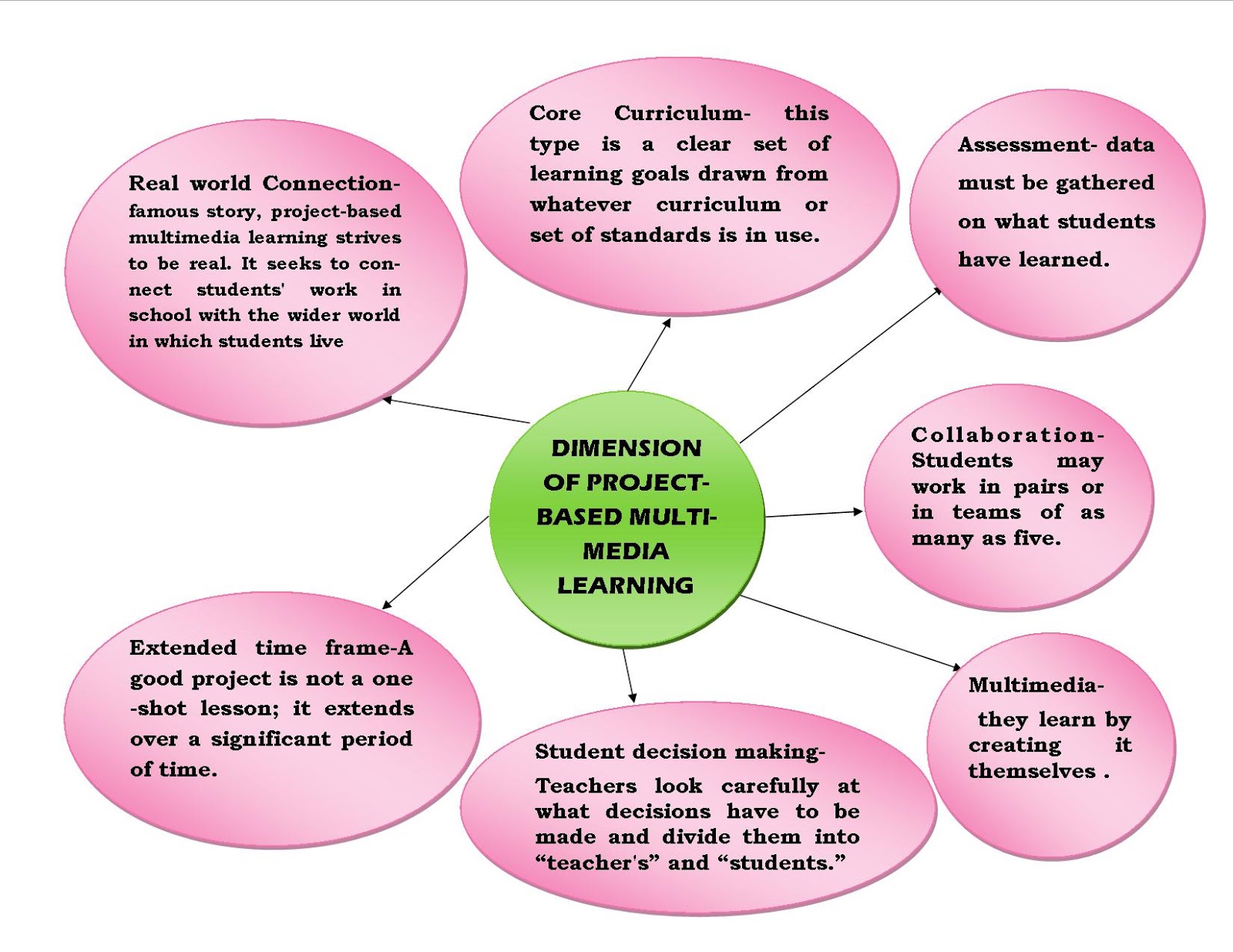
Lesson 15: Project-based learning and multimedia
REFLECTION
Project-based
multimedia learning is a method of teaching in which students acquire new
knowledge and skills in the course of designing, planning, and producing a
multimedia product. As a future educator
we must engage our student in this method wherein it can help them to improve
and embrace the modern technology in this generation.
Linggo, Nobyembre 27, 2016
LESSON 14 (Reflection): Maximizing the use of the Overhead Projector and the Chalkboard
REFLECTION
\
Among all instructional equipment, the chalkboard is most available. The overhead projector is another versatile equipment that is quite common today. By learning how to use them properly and in an inexpensive way we are able to realize our instructional objectives.
There are techniques of using the chalkboard and OHP proven to be effective by practitioners. As a future educator we must adopt it in our teaching spells visual and lasting learning for our students.

LESSON 13 (Reflection): Teaching with Visual Symbols
REFLECTION
Visual symbols come in many forms - drawing, cartoons, strip drawing (comic trip) diagram, map, char, graph. Like a picture, a graph and all over visual symbols, are worth a thousand words. The proper use of visual symbols will contribute to optimum learning.
As a future teacher it is effective to use a visual symbol as a form of an instructional materials especially the diagram in which with visual symbols alone, you have an array of teaching materials to choose from.

LESSON 12: The Power of Film, Video and TV in the Classroom

REFLECTION
The film, video and TV are powerful instructional tools. When they are used appropriately and moderately, they can make the teaching-learning process more concrete, lively, colorful and interactive. It contributes to mare lasting learning because of its visual, audio and motion effects. These effects make learning fun.
The most significantly cited weakness of the TV is the effect of TV violence on peoples' aggressive behavior.
The most significantly cited weakness of the TV is the effect of TV violence on peoples' aggressive behavior.
Sabado, Nobyembre 26, 2016
LESSON 11: Making the most of Community Resources and Field Trips
 |
REFLECTION
Field trips are expensive. They require much time for preparation and planning. However considering the intensity and the extent concrete experiences that come through field trips, we are encouraged to use them only, if there is no other less expensive but equally effective instructional tool. There are advantages and disadvantages in planning or preparing field trips and consideration. So as a future teacher we must be resourceful if it is the time that we should have a field trip.
Preparation and planning for the field trip includes discussion and decisions on what to do before the field trip, during the field trip and after the field trip.
|
Sabado, Oktubre 1, 2016
LESSON 10:DEMONSTRATION TEACHING

REFLECTION
Demonstration involves showing by
reason or proof, explaining or making clear by use of examples or experiments.
Put more simply, demonstration means to clearly show. In teaching through
demonstration, students are set up to potentially conceptualize class material
more effectively as shown in a study which specifically focuses on chemistry
demonstrations presented by teachers. Demonstrations often occur when students
have a hard time connecting theories to actual practice or when students are
unable to understand application of theories.
LESSON 9: DRAMATIZED EXPERIENCES

REFLECTION
Dramatic experience requires us to be
dramatic in our entrance into a classroom and in a lesson presentation. A
dramatic entrance is something that catches and holds our attention and has an
emotional impact. Something dramatic is something that is stirring or affecting
or moving. If our teaching is dramatic, students may get attracted, interested
and affected and may leave an impact on them. Dramatized experiences can range
from the formal plays, pageant to less formal tableau, pantomime, puppets and
role playing.
LESSON 8: CONTRIVED EXPERIENCE

REFLECTION
Contrived experiences are edited
copies of reality and are used as substitute for real things when it is not
practical or not possible to bring or do the real thing in the classroom.
We have models, mock up, specimens and
objectives or artifacts and simulation. These are varied types of contrived
experiences.
The most important things to remember
when we make use of contrived experiences, if for one reason or another they
could not replace the real things in size and color and we should at least
cautions the user or the reader by giving the scale.
LESSON 7: DIRECT PURPOSEFUL EXPERIENCES AND BEYOND

REFLECTION
Direct experiences are first hand
experiences that serve as the foundation of learning. The opposite of direct
experiences are indirect or vicarious experiences
Direct experiences lead us to concept
formation and abstraction. We should not end our lessons knowing only the
concrete. We go beyond the concrete by reaching the level of abstract concepts.
LESSON 6: THE PROPER USE OF INSTRUCTIONAL MATERIAL

REFLECTION
The second guideline is the usage of instructional materials.
After you have properly selected the material, you should as well effectively
utilize it. According to Thomas Nagel, to ensure effective utilization of the
instructional material, he advised us to abide by the acronym PPPF
Prepare
yourself. It simply means
that you should know your lesson objective and your expectation from the class
after the session. There should be a planning ahead on how you're going to proceed
the discussion and evaluate after.
Prepare
your students. It
implies setting class expectation and learning goals. This comes by throwing
them guide questions and motivating them as a way of keeping them interested
and engaged.
Present
the material. It
means you should rehearse first the materials you are going to use before
presenting them to the class. This is important especially if the materials you
are using are mechanical in nature, for example, power points and other
multimedia presentations. This is to avoid what they call as R.O.G. Syndrome of
Running out of Gas. This syndrome usually occurs due to lack of planning.
Follow
Up. The main function of using
instructional material is to achieve an objective and that is ultimately the
learning of the students. Using this is not an end in itself but a means to an
end so there is a need for follow up to know if you have attained your
objective.
The use of instructional material can be effective if it is properly
selected depending on the topic and if it is properly used. It should be
appropriate and satisfactory for the ultimate goal of facilitating learning.
Huwebes, Setyembre 29, 2016
Lesson 5: Cone of Experience

REFLECTION
Dale’s Cone
of Experience is a visual model that is composed of eleven (11) stages starting
from concrete experiences at the bottom of the cone then it becomes more and
more abstract as it reach the peak of the cone. Also, according to Dale, the
arrangement in the cone is not based on its difficulty but rather based on
abstraction and on the number of senses involved. The experiences in each
stages can be mixed and are interrelated that fosters more meaningful learning.
Moreover,
the generalization about the Cone of Experience that was presented above is not
enough. Actually, we should try to go deeper in each of the component of the
cone since Educational Technology basically revolves around the Cone of
Experience. By going one-by-one, starting from concrete to abstract, we will
understand more the different components of the cone that will help us in
grasping the real meaning of educational technology.
Lesson 4: Systematic Approach

REFLECTION
As depicted in the
chart, the focus of systematic instructional planning is the student.
Instruction begins with the definition of instructional objectives that
consider the students’ needs, interest, and readiness. On the basis of this
objective, the teacher selects the appropriate teaching methods to be used and,
in turn, based on the teaching method selected, the appropriate learning
experiences and appropriate materials, equipment and facilities will also be
selected.
The chart shows that each step in the system approaches to
instruction are interrelated with each other. It is an orchestrated learning
pattern with all parts harmoniously integrated into the whole. As a teacher,
you must do each step in order to have a better learning process and the students
or the learner must be your main focus.
The
phases or elements are connected to one another. If one element or one phase of
the instructional process fails, the outcome which is the learning is adversely
affected. The attainment of the learning objectives is dependent on the synergy
of all elements and all the factors involved in the process.
Linggo, Setyembre 25, 2016
Lesson 3: Roles of Educational Technology

REFLECTION
Educational technology has absolutely revolutionized the entire education system. Until recently, the teacher used to be the sole interpreter of knowledge to the learners and the textbooks the sole resource. Educational technology has affected the conventional roles and it has opened up the new areas of the teacher function such as management of resources and management of learning. Today, teacher have a range of media to assist and supplement the instructional work.
Educational technology plays the roles. From the traditional point of view, it serves as a presenter of knowledge just like teachers. It is also serves as a productivity tool. With internet, technology has facilitated communication among people. From the constructivist perceptive, educational technology is a meaningful learning tool by serving as learning partner.
Sabado, Setyembre 24, 2016

Biyernes, Setyembre 23, 2016

Lunes, Setyembre 5, 2016
REFLECTION
TECHNOLOGY, BOON OR BANE?
Technology
is necessary but not always a positive influence in modern life. This issue has
especially come into trend in the last decade due to the mind-boggling pace of
technology. Also, this issue is a complex one because it involves a conflict
between the traditional and the modern.
I feel the best technological breakthrough
was the invention of computers which basically led to further advancement in
technology via the creation of many software and hardware. Technology has
gifted mankind with various boons but look closely and you will realize that
technology have blessed mankind with two very important aspects – facility of
communication and creation of time.
Technology is important but it is time
humans decided where to draw the line. Mother Nature has blessed us with many
gifts which we so eagerly neglect because of our over dependence on technology.
It is only for us to use it accordingly and properly, we make sure that we
should not totally depend in technology.
Mag-subscribe sa:
Mga Post (Atom)